
Dog Dental Care: 7 Ways To Keep Your Dog’s Teeth Clean
Protect your pup’s dental health with these vet-approved tips.

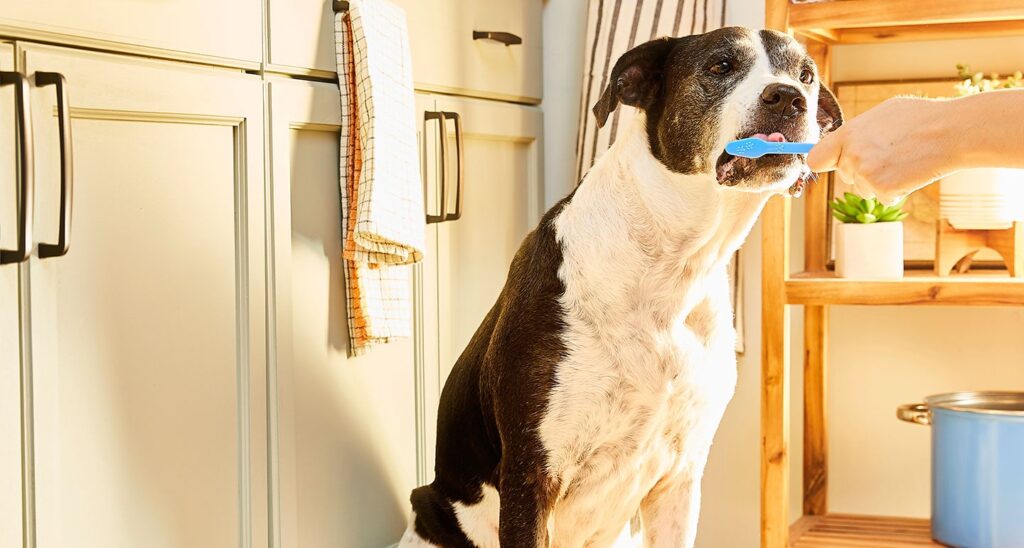
Photo by Liudmila Chernetska/iStock/Getty Images Plus
Dog dental care is essential to prevent a host of health issues and ensure your pup’s overall well-being. Neglecting your dog’s dental health can lead to serious complications, including gum disease, tooth loss, and even systemic health problems.
For maintaining your dog’s dental health and ensuring a bright, disease-free smile, experts suggest a routine of daily teeth cleaning using a canine-specific toothpaste and toothbrush, along with yearly professional dental checkups. However, there’s more to dental care for dogs than just brushing and checkups.
We spoke to vet experts for tips on how to better care for your dog’s teeth.
Key Takeaways
- Brushing your dog’s teeth daily is the most effective way to prevent plaque and tartar buildup.
- Regular professional cleanings under anesthesia are essential for thorough dog dental care.
- Dental chews, water additives, and toys can complement brushing but shouldn't replace it.
7 Dog Dental Care Tips for Healthy Dog Teeth
Aiming for optimal dog oral health? Here are seven essential dog dental care tips to help ensure your furry companion’s teeth stay healthy and strong.
1. Brush Your Dog’s Teeth
One of the most effective ways to maintain your dog’s dental health is through regular tooth brushing. Brushing your dog’s teeth with a toothbrush made specifically for dogs helps to remove food, bacteria, and plaque before it hardens, calcifies, and turns into tough-to-remove tartar, says Bert Gaddis, DVM, DAVDC, a veterinary dentist and owner of Animal Dental Specialists in Pelham, Alabama.
Aim to brush your dog’s teeth daily or every other day, as plaque only takes 48–72 hours to harden and calcify, says Dr. Gaddis. “Once it’s calcified, it needs to be scraped off by a professional.”
Here’s how to make tooth brushing a positive experience for you and your dog.
Choose the Right Tools
Toothbrush
Opt for a toothbrush designed specifically for dogs, such as the Virbac C.E.T. toothbrush or the Vetoquinol toothbrush. These brushes are softer and angled differently compared to human toothbrushes to suit a dog’s mouth structure.
Recommended Products
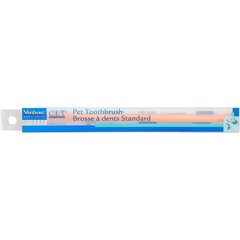
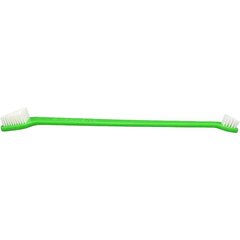
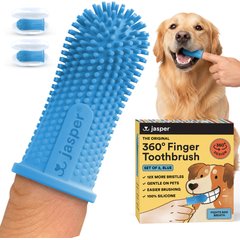
A dog finger toothbrush, like the Jasper 360 Dog Finger Toothbrush, is another option. This toothbrush slips over your fingertip so you can use your finger rather than a handled brush to clean your pal’s teeth. These dog finger toothbrushes are great for getting your dog used to tooth brushing, but their short, fat bristles are not as effective as those on a regular dog toothbrush, says Dr. Gaddis.
Recommended Product
Toothpaste
It’s also important to use canine toothpaste, which is formulated to be safe for dogs and introduces bacteria-busting enzymes, Dr. Gaddis says.
Available in delicious-to-dogs flavors like poultry, these products can be safely swallowed—unlike human toothpaste, which contains detergents, fluoride, sodium lauryl sulfate and artificial sweeteners like xylitol that can be harmful if ingested, says Kimi Kan-Rohrer, RDHAP, BSDH, a dental hygienist at the William R. Pritchard Veterinary Medical Teaching Hospital, University of California–Davis in Davis, California.
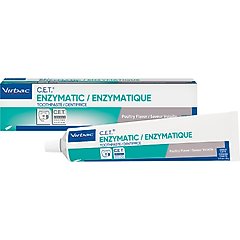
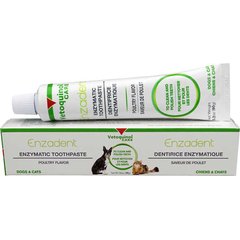
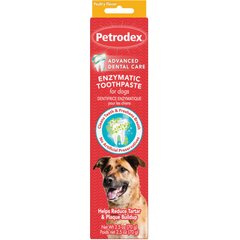
A few popular toothpaste options include Virbac C.E.T. Enzymatic Toothpaste, Vetoquinol Enzadent Enzymatic Toothpaste, and Sentry Petrodex Enzymatic Dog Toothpaste.
Recommended Products
Introduce Slowly
If your dog is new to tooth brushing, ease them into it. Let them sniff and lick the toothpaste, pet them, and give a dog treat to create a positive association.
Recommended Products

Then gently touch their teeth and gums with your fingers to get them used to having their mouth handled.
Use Gentle, Circular Motions
Once you’re ready to brush, find a comfortable spot for you and your dog. Gently lift their upper lip and move the toothbrush across your dog’s teeth in gentle, circular motions, focusing on the outer surfaces of the teeth where plaque tends to accumulate. Don’t forget the back teeth, as they are prone to tartar buildup.
Make It a Positive Experience
Stop brushing every few seconds and reward your dog with a treat to continue building a positive association. Reward your pup after the brushing session as well. Pretty soon, your dog will become excited when you pull out their toothbrush, as they know it means they’re about to get yummy treats!
2. Schedule a Professional Dental Cleaning
While regular brushing at home is crucial, it cannot replace the thorough dental help for dogs that a veterinarian can provide.
“While the pet is under general anesthesia, a dental appointment includes a full set of intraoral radiographs; full mouth dental charting; and a periodontal treatment that utilizes both supra- and subgingival (above and below the gumline) scaling,” says Kan-Rohrer.
According to the American Animal Hospital Association, a complete dental cleaning is recommended by 1 year of age for small- to medium-breed dogs and by 2 years of age for larger-breed dogs.
Thereafter, professional cleanings are typically done annually; however, depending on the dog’s breed, the severity of disease and frequency of home care, less or more than one year can be suggested, says Kan-Rohrer.
The cost of dog dental cleaning can vary based on factors such as location; the veterinary clinic’s fees; the dog’s size; and the dog’s state of oral health, says Becca Boronat, MV, CAWA, a veterinarian at Best Friends Animal Society in Charleston, South Carolina.
“On average, you might expect to pay $300 to $1,000 for a routine professional dental cleaning, and costs can be higher if additional procedures are needed, such as tooth extractions,” says Dr. Boronat.
3. Incorporate Dog Dental Chews
Dog dental chews, like Greenies and DentaLife, do double duty: They taste delicious to dogs, and they help to mechanically scrape the tooth surface.
Recommended Products

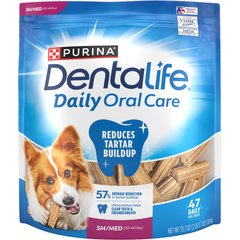
Dog dental chews especially help clean a dog’s back teeth where dogs do all their chewing, but chews are not a replacement for toothbrushing, says Dr. Gaddis.
4. Try Dog Water Additives
Dog water additives, like Oxyfresh and TropiClean, are designed to complement traditional toothbrushing, says Dr. Gaddis.
Recommended Products
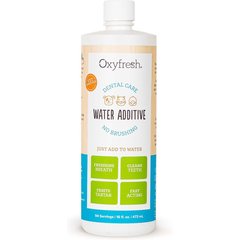
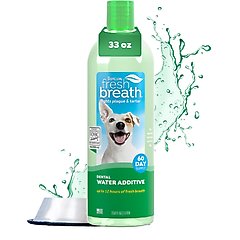
Easy to use, dog water additives typically contain enzymes and other supplemental ingredients that battle plaque and bacteria buildup and freshen breath.
5. Give Your Dog a Dental Toy
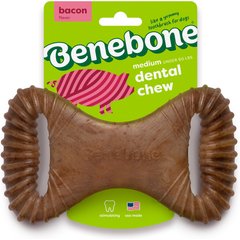
Like dog dental chews, dog dental toys make your pal happily distracted while they’re improving their dental hygiene. When your dog chews on the toy, it helps remove some of the tooth-surface plaque, particularly in the back of the dog’s mouth, says Dr. Gaddis. But they’re not a substitute for proper canine dental care, aka getting in there with a dog toothbrush.
A few doggie favorites include Nylabone Power Chew, Benebone Chew Toy, and BulliBone Nylon Chew.
Recommended Products

6. Try Dental Wipes
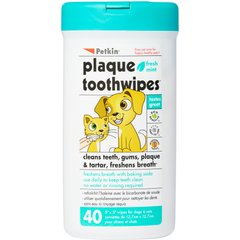
Dental wipes, such as Petkin Plaque Toothwipes, are good tools for wiping gunk off your dog’s teeth. They’re transportable and disposable, and come in handy when you don’t have access to a toothbrush and toothpaste, or while you’re still teaching your dog to accept the toothbrush.
Recommended Product
7. Ask Your Vet About Dog Dental Food and Food Additives
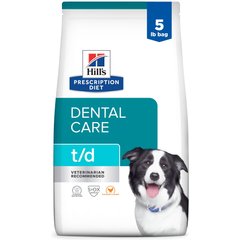
Veterinary diets for dog dental health, such as Hill’s Prescription Diet Dental Care, are commonly formulated to help reduce plaque and tartar buildup.
Recommended Product
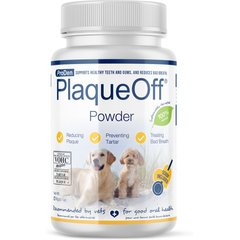
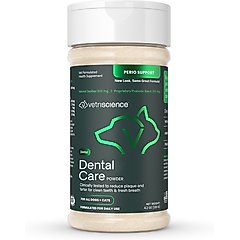
Food additives, like ProDen PlaqueOff and VetriScience Perio Support, can also help. Packed with enzymes and supplements that support dental health, these additives are simply sprinkled on your dog’s food.
Recommended Products
Why Is Dog Dental Care Important?
Do dogs need dental care? Absolutely, says Kan-Rohrer. Just like in humans, dog oral care is an important part of overall wellness.
“Because pets are living longer, dog dental care has become more important to address, as it can be connected to other health issues,” says Kan-Rohrer, adding that severe dental problems can be life-threatening.
In fact, health studies in humans show a strong connection between oral health and conditions like diabetes and disease, due to bacteria in the bloodstream, Kan-Rohrer says.
“It is reasonable to assume this is a similar process in both dogs and cats,” she says.
Aside from the possible connection between oral health and other diseases, Kan-Rohrer notes that “severe dental disease can be very painful, even though dogs and cats hide pain well, and can lead to a change in eating habits and behavior.”
How Do You Know If a Dog Dental Product Is Effective?
The Veterinary Oral Health Council (VOHC) is an excellent resource for learning about dog dental health products, say Kan-Rohrer and Dr. Gaddis. Established in 1997, the organization publishes a list of products that have a proven minimum of 10–20 percent plaque and/or tartar removal. It includes everything from food to chews to water additives.
Manufacturers submit clinical research on their products, and the VOHC verifies the research and issues a special seal, similar to the American Dental Association’s seal, says Kan-Rohrer. If a product doesn’t have the VOHC seal, however, it doesn’t necessarily mean the product doesn’t do what it claims, she says.
Still, many veterinarians—like Dr. Gaddis—use the VOHC website as a guide for product recommendations.
“I recommend products with the VOHC seal that is awarded to products that prove, through clinical studies, the effectiveness of their claim,” he says. “I have faith that these products are safe and effective when used properly.”
FAQs About Dog Dental Care
Q: What do healthy dog teeth look like?
A: A dog’s teeth should appear clean, without residue or tartar, says Dr. Gaddis. Their gums should look pale pink and have a knife-like edge where they meet the tooth surface.
Q: What can I give my dog for healthy teeth?
A: There are a range of items that support dogs’ dental health. These products can complement your daily tooth brushing routine but should not replace it, says Dr. Gaddis.
Offer your pal dental toys, dental food, and dental chews, all of which are designed to scrape off accumulated plaque. Additionally, a water additive,which is added to their water bowl, works to freshen breath and break down bacteria and plaque.
Q: What are signs of dental issues in dogs?
A: Signs of dental issues in dogs can include persistent bad breath; red, swollen, or bleeding gums; difficulty eating or a sudden loss of appetite; pawing at the mouth; loose or missing teeth; excessive drooling (sometimes with blood); dropping or avoiding food; visible buildup of yellow or brown tartar on the teeth; and behavioral changes, like irritability or a reluctance to be touched around the mouth. These symptoms warrant a prompt veterinary consultation to prevent escalation and ensure your dog’s health and comfort.
Q: Is dog teeth cleaning necessary?
A: Yes, teeth cleaning is necessary to help maintain a dog’s overall health, says Dr. Boronat. It helps prevent dental issues like plaque and tartar buildup; periodontal disease; and potential systemic diseases linked to poor dog mouth hygiene, she says.
Q: Is there an alternative to brushing a dog’s teeth?
A: No, nothing fully matches the effectiveness of regular tooth brushing. However, there are options you can use on days when brushing isn’t possible or as an additional aid.
“When teeth brushing is not possible, the use of dental diets; dental treats and chews; dental wipes; water additives; and enzyme pastes may assist in maintaining a dog’s dental hygiene,” says Dr. Boronat.
Q: How do you clean puppy teeth?
A: Cleaning a puppy’s teeth involves similar steps to brushing an adult dog’s teeth, but with extra gentleness and patience. Start by getting your puppy accustomed to having their mouth and teeth touched. Then, put a small amount of puppy-safe toothpaste on a puppy-specific toothbrush, or a finger brush.
Lift your puppy’s upper lip and gently brush their teeth in circular motions, focusing on the outside surfaces of the teeth. It’s important to make this a positive experience, with lots of praise and treats, to establish a good routine for their future dental care.
Q: How can I get plaque off my dog’s teeth?
A: Removing plaque from your dog’s teeth primarily involves regular brushing with a dog-specific toothbrush and toothpaste. Brushing daily is the most effective way to eliminate plaque before it hardens into tartar.
In addition to brushing, you can use dental chews and dental toys, which both help reduce plaque through the mechanical action of chewing.
Professional dental cleanings by a veterinarian are also essential, as they can remove plaque and tartar buildup that has hardened or that at-home brushing can’t reach, says Dr. Boronat.
Q: Can you brush a dog’s teeth with human toothpaste?
A: No, you cannot brush a dog’s teeth with human toothpaste, says Kan-Rohrer. Human toothpaste is made with detergents; fluoride; sodium lauryl sulfate; and artificial sweeteners like xylitol that can be harmful if swallowed by a dog.
Regular at-home dental care and professional cleanings play a pivotal role in preventing plaque buildup and ensuring your furry friend’s smile stays bright and healthy. Shop all dental care products for your pup on Chewy.
Attributions
Additional reporting by Katie Koschalk.